Welcome. Before You Get Started:

The information on this page is designed to help you better understand the employment issue facing your business, the questions that may need to be answered, and the decisions that may lie ahead. You remain in control of when and how you proceed.

As you read, if something raises a concern, confirms an issue you are already facing, or simply leaves you with a question, you can speak with the Watkins Firm without leaving the page or interrupting your review.

  • Call Us: Our phone number is always available in the upper-right menu.
  • Chat With Us: The chat module remains available while you review the page.
  • Contact Us: Use the Contact Us option above to send us a private inquiry or request a complimentary consultation.

The Watkins Firm provides a complimentary, private, and substantive consultation so you can discuss the specific circumstances facing your business. You are welcome to continue reading and orient yourself first. When you are ready to ask questions or talk through your situation, we are available.

You are searching for information, and our hope is to provide it. Ask questions when you have them. Reach out when you are ready.

As a California and San Diego employer, you know employment problems do not all begin in the same place. You may be trying to prevent a problem, deciding how to respond to an employee situation, dealing with an asserted claim, or already facing an agency proceeding or litigation.

Start with the situation that most closely describes what is happening in your business right now.

Where Are You Right Now as a California Employer?

Something has changed in an employment relationship, and you are trying to determine how your business should respond.

  • An employee has raised a complaint or concern that requires attention.
  • A performance, conduct or workplace issue has become increasingly difficult to manage.
  • You are considering discipline, termination or another significant employment decision.
  • Managers or supervisors disagree about how an employee situation should be handled.
  • You are concerned that a routine employment decision could develop into a larger dispute.
San Diego business executive evaluating an employment issue

An employment issue has moved beyond an internal concern, and your business is now facing an accusation, demand or threatened claim.

  • An employee or former employee has accused the company or a manager of improper conduct.
  • You have received a demand, written complaint or communication from an employee’s attorney.
  • A worker has alleged discrimination, harassment, retaliation or wrongful termination.
  • A disagreement involving compensation, commissions, bonuses, overtime or other pay has escalated.
  • You believe a current employment dispute may result in formal action against the company.
Business executive reacting to an employment claim or written demand

Your company has received a notice, inquiry or other communication concerning an employee or workplace matter.

  • You have received notice of a conference, hearing, investigation or other proceeding.
  • An agency has requested documents, employment records or information from your business.
  • You have been asked to respond to allegations made by a current or former employee.
  • Someone within the company has been contacted about an employment-related matter.
  • You are uncertain what the agency communication means or what may happen next.
Business representatives meeting concerning an employment proceeding

What began with one worker or one employment issue now appears to involve compensation practices, worker classification or a larger group of employees.

  • A current or former employee has questioned how wages, overtime or other compensation were calculated.
  • The classification of an employee or independent contractor has been challenged.
  • Similar concerns may affect more than one worker within the company.
  • You have received a claim or demand involving employment practices used across part or all of your workforce.
  • You are concerned that an individual dispute may be developing into a broader employment action.
Time and compensation representing wage and hour employment issues

There may be no active dispute, but you want greater confidence in the employment practices and workplace procedures your business relies upon every day.

  • Your employee handbook, policies or procedures have not been reviewed or updated recently.
  • You are hiring employees, expanding your workforce or changing how people work within the company.
  • Managers regularly face employee questions or situations without a consistent process for addressing them.
  • You are reviewing employment contracts, workplace documentation or internal procedures.
  • You want to identify potential employment problems before they become disputes, claims or litigation.
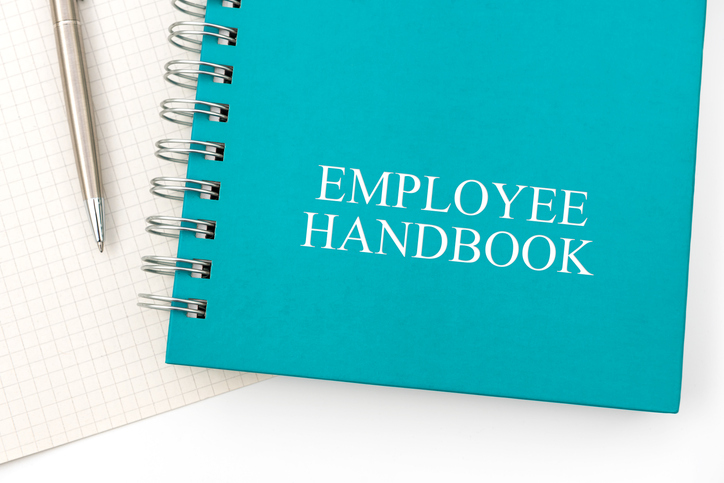
Employee handbook representing proactive employment policies and procedures

An Employee Problem Has Developed and You Need to Decide What to Do Next

San Diego business executive evaluating an employment issue

An employee problem can place an employer in a difficult position before anyone has made a formal claim. A complaint may need to be addressed, a manager may be considering discipline, performance problems may have accumulated, or the company may be contemplating termination or another consequential employment decision. At this stage, the important question is not simply what the employer wants to do, but what has happened and what information supports the decision being considered.

The Watkins Firm helps employers develop a clear understanding of the situation before important decisions are made. That includes reviewing the chronology of events, available documentation, communications, prior actions involving the employee, the objectives of the business, and the practical consequences of the available options. An employment decision that appears straightforward in the moment may be examined much differently after a dispute develops.

The objective is to help the employer make a deliberate, informed decision while there may still be an opportunity to address the underlying problem. Watkins Firm attorneys regularly counsel employer clients through everyday human-resource challenges, including employee complaints, discipline and termination, as part of the firm's broader work protecting California businesses.

The Next Action Step

Before taking a consequential action or communicating a final position, understand what has happened, what documentation exists, what information may still be needed, and what options remain available to the company.

The Watkins Firm can review the circumstances with you, help organize the relevant information, identify the immediate issues that deserve attention, and discuss the most productive next steps for your business.

We invite you to a complimentary and substantive conversation regarding your situation, objectives, and concerns. You can reach out through the chat module on this page, our contact form, or by calling (858) 535-1511.

It is important to understand where you are, what information is available, what information may be missing, your options moving forward, and the most productive and effective steps you can take to protect your interests and accomplish your objectives.

An Employee or Former Employee Has Made a Claim or Threatened Action

Business executive reacting to an employment claim or written demand

Once an employee or former employee has made an accusation, presented a demand, retained an attorney or threatened formal action, the employer's position changes. What happened before the dispute, what was documented, what was communicated, and how the company responds now all become important parts of understanding the matter.

The Watkins Firm begins by developing the facts. That means establishing a chronology, reviewing the available records and communications, understanding the decisions that led to the dispute, identifying the people involved, and evaluating the position being asserted against the company. The purpose is to replace a reactive response with a clear understanding of the employer's position.

From there, Watkins can evaluate how the dispute may be addressed. Some employee conflicts may be resolved through communication or negotiation. Others require mediation, arbitration, litigation or trial. The appropriate approach depends upon the facts, the employer's objectives, the strength of the available information, and how the opposing party chooses to proceed. The existing Watkins approach emphasizes resolving employment disputes efficiently when possible while remaining prepared to defend the employer when formal proceedings become necessary.

The Next Action Step

Do not allow the accusation itself to define the company's position. The first objective is to understand exactly what is being alleged, reconstruct what happened, identify the information that supports the employer's account, and determine what decisions need to be made next.

The Watkins Firm can help you evaluate the claim, organize the chronology and documentation, understand the company's position, and develop an approach consistent with your business objectives.

We invite you to a complimentary and substantive conversation regarding your situation, objectives, and concerns. You can reach out through the chat module on this page, our contact form, or by calling (858) 535-1511.

It is important to understand where you are, what information is available, what information may be missing, your options moving forward, and the most productive and effective steps you can take to protect your interests and accomplish your objectives.

A Government Agency or Labor Commissioner Has Contacted Your Business

Business representatives meeting concerning an employment proceeding

A notice, inquiry, request for information, conference or hearing brings an employment issue into a different setting. The employer is no longer dealing only with an employee or former employee. There is now an outside proceeding, a request or allegation that must be understood and addressed.

The Watkins Firm represents employers in conferences and hearings before federal and California agencies and the California Labor Commissioner. The firm's existing approach emphasizes preparing the employer for the proceeding, organizing the information relevant to the matter, understanding the questions or allegations being presented, and developing the employer's response before the proceeding moves forward.

Preparation matters because the first response should come from an informed understanding of the company's position rather than a reaction to the language or apparent informality of the communication received. Watkins works with the employer to understand the underlying employee matter, assemble the relevant records and chronology, and prepare for the questions and issues likely to arise during the proceeding.

The Next Action Step

If your business has received an agency or Labor Commissioner communication, begin by identifying exactly what was received, any dates or requested responses contained within it, the employee or employment issue involved, and the records associated with that matter.

The Watkins Firm can review the communication with you, help organize the relevant information, prepare you for the proceeding, and develop the company's response based upon the circumstances presented.

We invite you to a complimentary and substantive conversation regarding your situation, objectives, and concerns. You can reach out through the chat module on this page, our contact form, or by calling (858) 535-1511.

It is important to understand where you are, what information is available, what information may be missing, your options moving forward, and the most productive and effective steps you can take to protect your interests and accomplish your objectives.

You Are Facing a Wage, Hour, Classification or Broader Workforce Claim

Time and compensation representing wage and hour employment issues

A compensation or classification dispute may begin with questions involving one employee, one payroll period, one employment relationship or one workplace practice. The first task is to determine what is actually being challenged and whether the issue is isolated or involves practices or records affecting additional employees.

The Watkins Firm evaluates these matters by examining the relevant employment and payroll history, the chronology of events, the documentation available to the employer, how the challenged practice was implemented, and the potential scope of the dispute. The existing Watkins material specifically identifies wage and hour disputes, unpaid overtime, employee or independent-contractor classification, PAGA and class actions as significant areas of its employer-defense work.

Once the scope of the issue is understood, the employer can make informed decisions about how the matter should be addressed. Depending upon the circumstances, that may involve correcting or addressing an internal issue, responding to a claim, pursuing negotiation or mediation, or defending the company in a formal proceeding or litigation. Watkins approaches the matter with the objective of understanding the employer's actual exposure and developing a strategy appropriate to the facts and the business.

The Next Action Step

Determine what practice or decision is being challenged and begin assembling the records necessary to understand it. Payroll information, employment records, agreements, communications and the history of the employment relationship may all help establish what happened and whether the concern extends beyond the individual making the claim.

The Watkins Firm can help you organize that information, determine the scope of the dispute, evaluate the company's position and identify the next decisions that need to be made.

We invite you to a complimentary and substantive conversation regarding your situation, objectives, and concerns. You can reach out through the chat module on this page, our contact form, or by calling (858) 535-1511.

It is important to understand where you are, what information is available, what information may be missing, your options moving forward, and the most productive and effective steps you can take to protect your interests and accomplish your objectives.

You Want to Prevent Employment Problems Before They Become Claims

Employee handbook representing proactive employment policies and procedures

Employer defense does not begin when a lawsuit arrives. For many Watkins Firm clients, it begins much earlier—with the contracts, employee handbooks, policies, procedures, documentation and management practices the business relies upon every day. The existing Watkins page describes this preventive work as an important part of the firm's ongoing relationship with California employers.

Watkins works with businesses to review and develop employment contracts, employee manuals, human-resource policies and other workplace structures and documents. The firm also serves as general counsel to businesses, providing guidance when employers encounter everyday employment questions and consequential personnel decisions.

The objective is not simply to accumulate documents. Policies and procedures need to support the way the company actually manages its workforce. Employers need a reliable process for addressing employee concerns, documenting significant events, making employment decisions and obtaining guidance when an unfamiliar situation develops. That creates a stronger foundation for resolving problems when they arise and defending the company's decisions if they are later challenged.

The Next Action Step

You do not need to wait for an employee dispute to evaluate your employment practices. Consider where your business has changed: new employees, growth, management changes, outdated documents, inconsistent procedures or recurring questions that supervisors are handling without a clear process.

The Watkins Firm can review the employment structures your business currently relies upon, discuss where questions or concerns exist, and help you determine what deserves attention now.

We invite you to a complimentary and substantive conversation regarding your situation, objectives, and concerns. You can reach out through the chat module on this page, our contact form, or by calling (858) 535-1511.

It is important to understand where you are, what information is available, what information may be missing, your options moving forward, and the most productive and effective steps you can take to protect your interests and accomplish your objectives.

THE MOST IMPORTANT THING YOU NEED TO KNOW RIGHT NOW

Hourglass representing the importance of decisions made now

The greatest risks you face —and often the greatest opportunity to protect your business and achieve a positive and successful outcome —is not somewhere down the road in a hearing, claim or courtroom. It is in the decisions you make, the actions you take, and the communications that occur right now.

An employee problem can change quickly. A complaint may be developing. You may be considering discipline or termination. Someone may have threatened a claim. An agency may have contacted the company. Or you may have discovered a problem involving payroll, classification, workplace practices or documentation.

Before acting, determine what has actually happened, what information you have, what information may be missing, what needs to be preserved, and which decisions can safely wait until you better understand the situation. An action or communication that seems reasonable today may become an important part of the story if the matter is examined later.

This Is Why You Need to Speak With the Watkins Firm About an Employment Problem Before You Make the Next Important Decision

The Watkins Firm has advised and defended California employers for almost four decades. The immediate objective is not to assume that a dispute will become litigation. It is to help you understand where you are and make informed decisions while you still have options.

Watkins can help you identify what information should be gathered and preserved, understand what communications have already occurred, evaluate actions you are considering, identify immediate areas of concern, and determine what should happen next.

You may not need to decide today how the entire matter will ultimately be resolved. You do need to understand the consequences of what you do today.

Establish What Actually Happened Before You Decide What It Means

Employment problems often arrive through fragments of information. A supervisor reports one version of events. An employee provides another. Emails or text messages add context. Personnel records may contain additional information. Other employees may have been involved.

Begin with the facts and chronology rather than conclusions. Identify the people involved, what occurred, when it occurred, what was communicated, what decisions were made, and what documentation exists.

The clearer the chronology, the better positioned the Watkins Firm is to help you understand the problem before the company commits itself to a response.

Preserve the Information You May Need Later

Documents and communications can become increasingly important as an employment problem develops. Personnel records, agreements, policies, payroll information, emails, text messages, internal communications and other materials may help establish what happened and why decisions were made.

Determine what information exists and where it is located. Avoid allowing potentially important information to disappear through ordinary deletion, document replacement, employee departure or changes in access.

Preserving information now protects your ability to understand and explain what happened later.

Be Deliberate About What You Communicate

A developing employee problem can create pressure to respond immediately. Managers may want to explain themselves. Someone may send an email to settle the issue. An employer may feel compelled to answer an accusation before all of the facts are known.

Some communications may be necessary. Others may be better made after the situation is understood more completely.

Before sending an important communication or committing the company to a position, understand what you know, what you do not yet know, and what the communication is intended to accomplish.

Consider the Consequences Before Taking an Employment Action

Discipline, termination, changes in responsibilities, compensation decisions and other significant employment actions should not be treated as isolated events when a problem or dispute is already developing.

Review the history leading to the contemplated action. Understand the documentation that supports it. Consider what has already been communicated to the employee and whether additional information needs to be evaluated before the decision becomes final.

The objective is not simply to make a decision. It is to make an informed decision the company can understand, document and explain.

Preserve Your Options Before Choosing How the Matter Will Ultimately Be Resolved

You may not yet know whether an employment problem can be resolved internally, through direct communication or negotiation, or whether it will develop into an agency proceeding, mediation, arbitration or litigation.

That decision does not necessarily need to be made at the beginning.

Your immediate objective is to understand the facts, preserve the information, evaluate the risks, and avoid unnecessary decisions or communications that could reduce the options available to your business later.

We invite you to a complimentary and substantive conversation regarding your situation, objectives, and concerns. You can reach out through the chat module on this page, our contact form, or by calling (858) 535-1511.

Where You Are in an Employment Dispute Determines What Comes Next

Common Employment Litigation Risks and the Steps You Can Take to Prevent Them

California employers can face employment disputes from many different directions. A problem involving one employee can sometimes expand into a broader claim affecting other members of the workforce, while wage and hour practices, unpaid overtime, administrative proceedings, or other employment issues can create risks that may not become apparent until a claim has already developed.

Understanding where those risks may arise gives an employer an opportunity to evaluate its practices, identify potential problems, and take appropriate action before the situation becomes more difficult and expensive to resolve. 

The following are several areas in which the Watkins Firm regularly advises and defends California employers:

Understanding Employer Defense in California

Employer defense covers much more than responding to a lawsuit. For the Watkins Firm, it includes helping employers establish sound employment practices, address problems as they develop, respond to claims and agency proceedings, and defend the business when a dispute requires formal resolution.

The circumstances change. The objective remains remarkably consistent: understand what happened, identify what matters, protect the business, and make informed decisions about what comes next.

The following six areas provide a useful way to understand where employer defense begins, how employment problems develop, and how the Watkins Firm works with California employers throughout that process.

Employer Defense Begins Before There Is a Claim

Ounce of prevention and pound of cure

Some of the most valuable employer-defense work takes place when there is no active dispute at all.

The Watkins Firm works with employers on the employment contracts, employee handbooks, policies, procedures and workplace practices they rely upon in managing their businesses. The firm also serves as general counsel to businesses, helping employers address the employment questions and personnel decisions that arise during ordinary operations.

This matters because employment practices are not merely documents sitting in a file. They become part of how managers hire people, communicate expectations, address performance problems, respond to employee concerns, document significant events and make difficult personnel decisions.

A good employer-defense strategy begins by making the everyday operation of the business more deliberate, consistent and well documented.

That does not mean every employment problem can be prevented. Employees leave. Managers make difficult decisions. Disagreements occur. Circumstances change.

But when a problem does arise, the employer is in a much better position to understand and address it when the company already has established practices, useful documentation and access to experienced guidance.

When an Internal Employment Problem Becomes a Dispute

Workplace discussion concerning an employment problem

Many employment disputes do not announce themselves as legal matters.

They begin with something much more ordinary: an employee complaint, a performance problem, disagreement with a supervisor, a compensation question, a disciplinary issue, an absence, a breakdown in communication or a decision about whether an employment relationship should continue.

The challenge for the employer is recognizing when an ordinary management issue is becoming something more consequential.

At that point, the Watkins Firm helps employers step away from the immediate friction and develop a clearer picture of what has actually happened.

That may include looking at:

  • The chronology of the employment relationship and the events leading to the problem.
  • Communications between the employee, supervisors and management.
  • Existing employment records and documentation.
  • Previous efforts to address the issue.
  • The decision the employer is considering now.
  • The business objectives that should guide what happens next.

The purpose is not to turn every employee problem into a legal dispute. It is to understand the problem well enough to avoid making it larger unnecessarily.

Some matters can be addressed internally. Others may require a more formal response. The earlier the employer understands which type of situation it is facing, the more intelligently it can decide how to proceed.

Claims Involving Wages, Hours and Worker Classification

Employment time and compensation issue

Compensation and classification disputes can require an employer to reconstruct how people actually worked and were paid—not simply how the company remembers the arrangement.

A disagreement may involve wages, overtime, commissions or bonuses. Questions may arise about whether a worker was treated as an employee or independent contractor. Payroll history, employment records, agreements, schedules, communications and workplace practices may all become important to understanding the dispute.

The first question is often one of scope.

Is this a disagreement involving one employee and one set of circumstances, or does the challenged practice affect other members of the workforce as well?

That distinction can substantially change the employer's understanding of the problem.

The Watkins Firm works with employers to organize the relevant history and records, understand what practice or decision is being challenged, determine how broadly the issue may extend, and evaluate the company's position before deciding how the matter should be addressed.

This pillar provides the larger employer-defense framework. Employers facing a specific compensation or classification issue can explore the Watkins Firm's deeper resources concerning wage and hour litigation, unpaid overtime disputes and employee or independent-contractor classification.

When an Agency or Labor Commissioner Becomes Involved

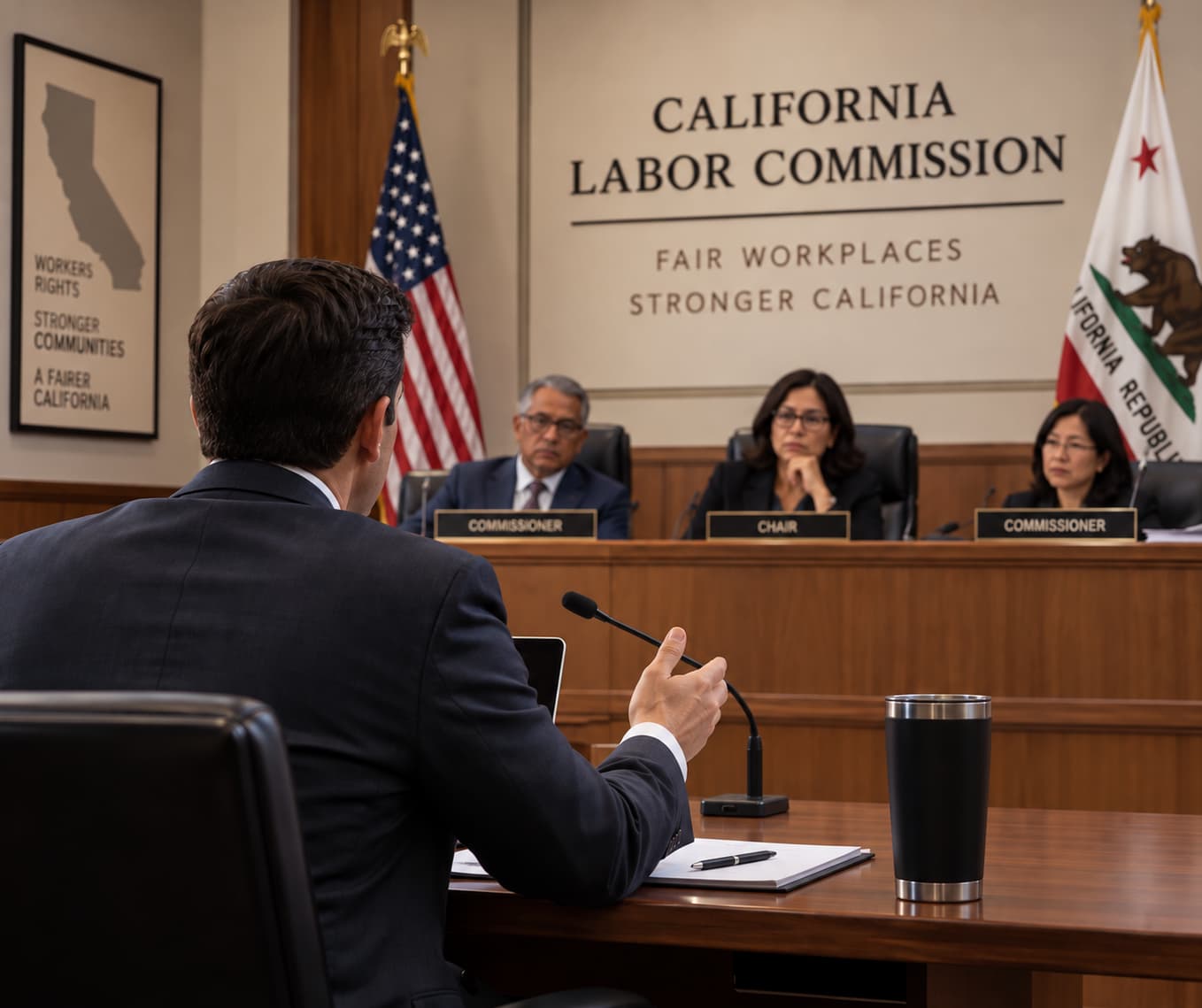
California Labor Commission hearing

An employment problem can feel very different once a government agency or the California Labor Commissioner contacts the business.

The communication may involve a request for information, a conference, a hearing, an investigation or allegations raised by a current or former employee. Whatever form it takes, the employer now has an outside proceeding or inquiry that needs to be understood.

The first step is to understand what the company has actually received and what employment issue sits underneath it.

The Watkins Firm represents employers in conferences and hearings before federal and California agencies and the California Labor Commissioner. Its work begins with preparation: reviewing the communication, understanding the underlying employee matter, organizing the chronology and available records, and preparing the employer for the issues and questions that may arise.

An employer should not allow the title of a proceeding—or the apparent informality of an initial communication—to substitute for understanding what is actually at issue.

The deeper Watkins resources concerning Labor Commissioner proceedings and specific types of employment claims allow employers facing those situations to move from this general orientation into the subject that brought them here.

When One Employee's Claim May Affect a Larger Workforce

Sometimes the most important development in an employment dispute is the realization that the issue may not concern only the employee who first raised it.

A compensation practice, classification decision, workplace procedure or other employment practice may have been applied to additional employees. A claim that initially appears individual may therefore raise questions about a larger portion of the workforce.

That changes the employer's task.

The company needs to understand not only the circumstances surrounding the individual employee, but also:

01

What practice or decision is being challenged.

02

How and when that practice was implemented.

03

Whether it was applied to other employees.

04

What records exist concerning those employees and practices.

05

How large the potential issue may actually be.

Before reacting to the size of the claim, understand the size of the problem.

The Watkins Firm's employer-defense practice includes PAGA actions and class-action defense. When a matter begins to move beyond an individual employment dispute, the objective is to determine the actual scope of the issue, understand the employer's position, and develop a strategy appropriate to the circumstances rather than assuming that every broader workforce claim presents the same problem.

Resolving the Dispute—or Defending the Business When Resolution Is Not Possible

Not every employment dispute needs to travel the same path.

Some problems can be resolved through direct communication. Others may lend themselves to negotiation or mediation. Some proceed to arbitration, litigation or trial. The appropriate approach depends upon what happened, the information available, the position being asserted, the employer's objectives and the willingness of the other parties to resolve the matter.

The Watkins Firm has long emphasized seeking prompt and productive resolution of employment conflicts when the circumstances allow it.

Resolution, however, is not the same thing as capitulation.

A productive resolution should be based upon an informed understanding of the dispute and the employer's position. When an employment matter cannot be resolved on acceptable terms, the Watkins Firm is prepared to defend the business through the proceedings necessary to bring the dispute to a conclusion.

The important decision is therefore not simply whether to “fight” or “settle.”

It is to understand the facts, the available information, the potential consequences, the objectives of the business and the available paths forward—and then determine which approach best serves those objectives.

Employer defense is ultimately about preserving the ability to make that decision from a position of understanding rather than reaction.

High-Exposure Representative and Collective Actions: PAGA and Employment Class Action Defense

A claim involving one employee can quickly become a much larger threat when the allegations involve employment practices affecting multiple employees or the employer's broader workforce. PAGA claims and employment class actions can dramatically increase the scope, complexity, potential exposure, and cost of an employment dispute.

California employers facing a PAGA claim or employment class action need to understand both the individual allegations and whether the employment practices being challenged extend across a larger group of employees. Payroll records, wage and hour practices, employee classifications, timekeeping, breaks, compensation practices, employment policies, and the employer's documentation may all become important to evaluating the scope of the claim and developing an effective defense strategy.

Multiple individuals directing allegations toward a business representative
PAGA

Defending California PAGA Actions

Under the Private Attorneys General Act (PAGA), an individual employee effectively steps into the shoes of the state's Attorney General. This allows plaintiff counsel to bypass your standard class-action waivers or arbitration agreements, pursuing aggregated civil penalties across your entire workforce. Defending a PAGA claim requires experience, and legal skill, as we work to identify and isolate alleged compliance gaps and take proactive, prudent steps before they balloon into seven-figure exposure.

Defending California PAGA Actions
CLASS ACTION

Employment Class Action Defense

Wage and hour class actions—alleging systemic rest break violations, uncompensated off-the-clock work, or illegal time-rounding practices—are primary drivers of class actions here in San Diego and throughout California. Our experienced class action defense attorneys work to prevent the certification of a class, and help you to take steps to improve your position, and mitigate or remediate potential damages.

The earlier an employer understands the potential scope of a class action claim, the more effectively the Watkins Firm can evaluate the underlying practices, documentation, workforce issues, and available defense strategy.

Employment Class Action Defense
Employer reviewing a notice concerning an employment matter

Employment Claims, Administrative Proceedings and Hearings

California employment disputes do not always begin with a lawsuit. An employer may first receive a demand from an employee or former employee, correspondence from an attorney, notice from the California Labor Commissioner or another government agency, or an administrative complaint involving discrimination, disability, retaliation or another employment issue.

What you say, what you provide, and how you respond during these early moments in these proceedings can become an important part of the dispute that follows. You also need to ask Watkins Firm about the “secret clock” that may be running. This is a window of a few weeks at the outset, where plaintiffs are required by law to wait after notification before filing their lawsuit. It is an exceptional opportunity for you to mitigate potential damages, or remediate the situation altogether.

This can remove most or all incentives for plaintiffs lawyers up front. No fees, no case.

This is why it is important to engage the chat module, contact the Watkins Firm or call (858) 535-1511 for a free, substantive, and private consultation.

Time-sensitive business decision

The Watkins Firm helps California employers evaluate the allegations, organize the facts and documentation, prepare their response, and defend their position from the earliest stages of an employment claim through administrative proceedings, hearings and litigation.

Administrative Defense

Facing a Labor Commissioner “Informal Conference” or Berman Hearing

Many California agencies will contact an employer for what they call an “informal conference.” There is nothing informal about it. These meetings are designed to establish your knowledge of the law and move directly into a settlement discussion where you are expected to “break out the checkbook.” We prepare our clients to mount a strong rebuttal from the very first contact, seeking a dismissal before a violation can be established.

When the California Labor Commissioner contacts you for an "informal" meeting, there is nothing casual about it. This is a targeted administrative procedure structured to solidify your liability and pressure you into opening the checkbook. Immediate, aggressive rebuttal documentation is required to seek an outright dismissal before a statutory violation is permanently attached to your record.

Facing a Labor Commissioner “Informal Conference” or Berman Hearing
California Labor Commission hearing
Employee working in a California workplace
Disability & Access Claims

Defending Civil Rights Department Disability Claims and ADA Demands

Before an employee or public plaintiff can advance a high-exposure disability discrimination or access claim under the Fair Employment and Housing Act (FEHA) or the Unruh Civil Rights Act, they interface with the California Civil Rights Department (CRD). When the state serves your business with a formal administrative complaint regarding a failure to provide reasonable accommodation, a failure to engage in the interactive process, or a physical barrier violation, your initial written response forms the binding foundation of your legal defense. An unguided, reactionary position can inadvertently concede liability, expand the scope of the investigation, and invite devastating civil litigation.

Defending Civil Rights Department (CRD) Disability Claims and ADA Demands
Employment Litigation

Wrongful Termination, Retaliation and Discrimination Claims

Claims involving termination, retaliation or discrimination can place the employer's decisions, communications, documentation and treatment of the employee under intense scrutiny. The question quickly becomes not only what decision the employer made, but why it was made, how it was handled, what was communicated, and what the employer's records demonstrate.

Draw on the Watkins Firm's more than four decades of experience protecting and defending California employers from accusations made by employees and former employees. Watkins brings substantial employment litigation and trial experience to these unfortunately common—but defensible—claims.

Wage and Hour and Unpaid Overtime Defense

Wage and hour disputes are among the most significant and potentially costly employment claims facing California employers. What begins as a disagreement with one employee over compensation, working time, overtime, breaks, or classification can raise much larger questions about payroll practices and how other employees have been treated.

The first priority is to determine whether you are dealing with an isolated employment dispute or a practice that may create broader exposure across your workforce. That requires a thorough review of the allegations, payroll and timekeeping records, employment classifications, applicable policies, communications, and the actual chronology of what occurred.

Electronic timekeeping and employment records

California Wage and Hour Defense

Wage and hour claims rarely remain isolated to a single employee. A dispute over a single missed meal break period or an uncompensated ten minutes of off-the-clock work can easily expose your entire payroll history to predatory plaintiff firms. Defending your business requires an immediate, disciplined evaluation of your existing operational practices and documentation as well as strategic steps to mitigate or remediate exposure while working to build an unshakeable defense framework.

The Watkins Firm helps California employers identify the actual scope of a wage and hour dispute, understand where potential weaknesses may exist, and take deliberate steps to protect and strengthen the employer's position.

California Wage and Hour Defense

Unpaid Overtime and Break Violation Disputes

California law mandates strict daily and weekly overtime thresholds, along with complex rules regarding non-exempt employee compensation. Allegations of unpaid overtime, off-the-clock administrative work, or denied rest breaks carry compounding daily penalties that can threaten a company’s operational solvency. We help employers step out of a reactive posture by organizing an exact chronology of compliance, using verified employee documentation to dismantle claims before they reach a courtroom.

Unpaid Overtime and Break Violation Disputes
Independent professional working from a laptop

Employee and Independent Contractor Misclassification

The state of California legally presumes every worker is a standard non-exempt employee unless the business can unequivocally satisfy the rigid three-part "ABC Test." Misclassifying an independent contractor—or misapplying an exempt status to a salaried manager—is the single most common trigger for potentially substantial unpaid overtime and back-pay lawsuits.

Classification questions should therefore be evaluated before they become part of a larger wage and hour, overtime, PAGA, or employment litigation claim.

Employee and Independent Contractor Misclassification
Why Choose Daniel Watkins and the Watkins Firm?

Experience Matters When the Dispute Matters.

Daniel Watkins has practiced law in San Diego since 1987. He attended the University of San Diego School of Law, worked at respected San Diego firms, and founded his own business law firm more than 30 years ago.

For Dan, San Diego is more than the market in which he practices. It is his community. He and his team have built lasting relationships with clients, many of whom have been with the firm since its beginning.

Over the course of his career, Dan has advised California and San Diego employers and business owners through the employment decisions involved in operating and protecting their companies, from everyday workplace and personnel matters to serious employee disputes, agency proceedings, and employment litigation.

Daniel Watkins, Founding Partner of the Watkins Firm
Daniel Watkins Founding Partner, Watkins Firm
Extensive Employment Defense Experience

A Business Litigation and Employer Defense Attorney Who Understands the People and Companies He Represents

Dan’s employer-defense experience spans businesses across healthcare and medical practices, high technology and science, construction, hospitality, real estate, manufacturing, and other commercial industries. That breadth of experience gives him an understanding of how employment problems arise within very different businesses, workforces, management structures, and operating environments.

Each employer operates within its own business realities, workforce structure, management practices, regulatory environment, and financial pressures. Understanding those differences matters when evaluating an employee problem, advising an employer about an important workplace decision, or defending the business when a dispute develops.

Working with employers across these industries has given Dan insight into how different businesses manage their workforces, how employment decisions are made and documented, how workplace problems develop, and how an internal employee issue can become a significant dispute.

That breadth becomes especially important when an employment dispute involves complicated records, conflicting accounts of what happened, decisions made by multiple managers or supervisors, industry-specific workplace practices, or potential consequences that extend beyond a single employee.

Litigation, Hearing, Class Action, and Trial Experience

A Trusted Litigation Defense Strategist and True Trial Attorney

Dan is a trusted litigation strategist and true trial attorney with more than 50 jury and bench trials to his credit. His experience includes significant employment cases that have attracted national attention, as well as the representation of local, regional, and national companies in complex employment disputes throughout San Diego, California and the U.S. That experience gives employers something increasingly uncommon: an attorney who can work strategically toward an effective resolution while possessing the courtroom experience to take the case to trial when necessary.

Dan doesn’t believe in needlessly aggressive litigation however he also doesn’t believe there is a case that can’t be won. There is always a way.

He has won numerous cases experts said couldn’t be won. Dan and his team pride themself in looking at employment defense cases differently than most attorneys. Clients value Dan’s ability to listen carefully, understand complex challenges, and develop practical, effective solutions to difficult legal problems.

His litigation experience includes Employer Defense, Healthcare Compliance, Commercial Litigation, Unfair Business Practices, Fraud, Breach of Contract, Battery, Premises Liability, Product Defect, Medical Malpractice, Discrimination, Sexual Harassment, Construction Defect, Unfair Competition, Defamation, and Trade Secrets.

Dan has also spent nearly four decades working with, for, and against some of the largest insurance companies in the country.

Demonstrated Experience

Significant Litigation and Investigative Work

01

HealthSouth Surgery Center Litigation

In December 2003, Dan commenced litigation against Health South Surgery Centers-West, Inc. and its subsidiaries, exposing the company’s extensive mismanagement and misconduct of its surgery centers.

02

Municipal and Corporate Investigations

Dan has also been asked by some of California’s largest municipalities and corporations to conduct legally required investigations into matters involving alleged employment discrimination and harassment.

The Firm Dan Built

More Than Three Decades of Solutions-Based Representation

When Dan founded the Watkins Firm, he began building a team of attorneys and staff who could learn from one another and share a commitment to the clients they serve.

Over nearly 40 years, the firm has become a long-standing San Diego employment and employer defense institution.

Dan and his team believe they have a responsibility to continue the firm’s tradition of solutions-based representation. They work to understand their clients, care about the businesses and people they represent, and develop practical solutions to difficult legal problems.

Why It Matters

What This Experience Means for Your Business Dispute

01

Experienced Judgment Across Decades of Business and Litigation

Dan’s practice since 1987 has involved complex transactions, ownership disputes, fraud allegations, commercial litigation, employment matters, and other consequential business issues.

His experience provides perspective when the facts are complicated, the financial consequences are substantial, or the opposing parties strongly disagree about what occurred.

02

Resolution Focused, but Prepared to Litigate

An employment dispute should not become prolonged litigation simply because litigation is available.

The Watkins Firm evaluates the evidence, damages, risks, and objectives of the client and pursues opportunities for productive resolution when appropriate.

When negotiation or mediation cannot produce an acceptable result, Dan and his team have the litigation and trial experience necessary to continue pursuing the matter.

03

Experience Turning Complicated Facts Into a Coherent Case

Employment disputes, especially PAGA cases, can involve years of records, timekeeping and payroll data, contracts, emails, representations, and conflicting explanations.

The firm works to establish the chronology, identify the relevant evidence, understand the damages, and develop a clear explanation of what happened and why it matters.

A case that can be clearly understood is generally in a stronger position to be evaluated, negotiated, mediated, litigated, or tried, and WON.

The Ultimate Question

Why Should You Hire the Watkins Firm?

Because the objective is not to make your employment dispute larger than it needs to be.

It is to understand what happened, identify what is at stake, evaluate the available options, and develop a strategy designed to protect your interests, mitigate or remediate entirely any potential damages, protect your interests, and accomplish your objectives.

Dan’s decades of employer defense and trial experience have taught him when a dispute may be resolved—and when being prepared to try the case becomes essential to achieving the best available outcome.

Your employment defense matter begins with a substantive conversation. We invite you to speak with the Watkins Firm about your situation, your concerns, and what you hope to accomplish.

Reviewed and approved by Daniel Watkins, Founding Partner, Watkins Firm.

The Best Defense is a Good Offense

Defense for Employers in Private Attorneys General Act Cases San DiegoThe best defense is a good offensive strategy.  Watkins Firm employer defense attorneys work with our corporate and business employers to develop strong contracts, implement updated employee handbooks and enforceable policies and procedures which guide the process from the first interview to termination or separation.  We work with companies of all sizes from just a few employees to national corporations.  We manage any individual dispute or cases as large as a Private Attorneys General Act (PAGA) class action lawsuit.

Federal, state and local laws, ordinances and regulatory compliance issues are constantly being changed and updated.  San Diego and Southern California employers need an experienced, trustworthy legal partner who is available to answer questions and resolve problems.  Wage and hour plaintiffs lawsuits have increased significantly over the past few years here in San Diego.  The Watkins Firm has a strong track record defending our employer clients before state and federal agencies such as the California Labor Commissioner and the EDD, in mediation and arbitration and at trial.

We work with San Diego and California employers to keep them up to date on the constantly changing environment and helping them to maintain strong employer practices in the midst of one of the most challenging legal and workplace environments in the country.  If you are a San Diego employer the Watkins Firm is here to help.

Questions California Employers Frequently Ask When an Employment Problem Develops

By the time an employer realizes an employee problem may become a claim, there are usually already decisions to make, records to preserve, communications to manage, and questions about what should happen next. The answers will depend upon the circumstances, but there are several questions the Watkins Firm regularly helps California employers work through.

What Should I Do First When an Employee Threatens a Claim or Lawsuit?

Do not allow the threat itself to dictate your response. Begin by establishing what actually happened, who was involved, what decisions were made, what was communicated, and what records exist.

Preserve the information first. Understand the chronology. Then make the next decision deliberately.

An emotional response, unnecessary communication, alteration of records, or employment decision made before the situation is understood can make an already difficult problem harder to defend.

When Should I Contact the Watkins Firm About an Employment Problem?

You do not need to wait until someone files a lawsuit.

Watkins regularly works with employers while a problem is still developing—when an employee raises a complaint, a manager is considering discipline or termination, an attorney sends a demand, an agency makes contact, or the employer discovers a potential problem in its own employment practices.

The earlier Watkins understands what is happening, the more opportunity there may be to help you protect your position and preserve your options.

Can an Employment Dispute Be Resolved Without Going to Court?

Yes. Litigation is not the only possible outcome of an employment dispute.

The Watkins Firm evaluates what happened, the strength of the employer's position, the available documentation, the potential exposure, the objectives of the business, and the practical opportunities for resolution. Depending upon the circumstances, that may involve correcting a misunderstanding, remediation, direct negotiation, mediation, settlement discussions, or another appropriate resolution strategy.

When reasonable resolution is not possible, Watkins is prepared to defend the employer through litigation and trial.

What Happens When a Claim Involving One Employee May Affect Other Employees?

That changes the analysis considerably.

A dispute involving compensation, working time, breaks, classification, payroll practices or another recurring employment practice may raise questions extending beyond the employee who first made the claim.

One of the most important early questions is whether the problem is truly isolated or whether the challenged practice exists elsewhere in the workforce.

That distinction can become particularly important in wage and hour litigation, employment class actions and PAGA claims.

What Should I Do If the California Labor Commissioner or Another Government Agency Contacts My Business?

Take the contact seriously and understand what the agency is requesting before responding.

A conference described as “informal” should not be treated casually. The information provided, documents produced, explanations offered and position taken by the employer can become important as the matter proceeds.

The Watkins Firm helps employers understand the allegations, organize the relevant records, establish the chronology, prepare the company's response, and develop a strategy for the proceeding.

What Should I Do Before Terminating an Employee When I Am Concerned About a Possible Claim?

Make sure you understand the entire situation before making an irreversible employment decision.

Review what occurred, the reasons for the proposed termination, the employee's history, relevant communications and documentation, who participated in the decision, and whether there are unresolved complaints or other circumstances that need to be considered.

This is precisely the kind of situation in which speaking with the Watkins Firm before taking the final action can be substantially more useful than asking how to defend the decision afterward.

How Important Are Employment Records and Documentation When Defending a Claim?

Extremely important.

Memories change. People disagree about conversations. Managers and employees may remember the same event very differently. Documents created when events actually occurred can help establish what happened, when it happened, who was involved, what was communicated, and why a decision was made.

That is why Watkins emphasizes preserving employment records, communications, payroll information, policies, disciplinary documentation and other potentially relevant information as soon as a serious employment problem develops.

What Can I Do Now to Reduce the Risk of Future Employment Claims?

Do not wait for a lawsuit to evaluate the way your company manages its employees.

Employment agreements, policies and procedures, payroll and timekeeping practices, employee classifications, performance documentation, disciplinary procedures, management communications and termination practices can all affect the employer's position when a dispute develops.

The best opportunity to correct a weakness is while you still control the circumstances—not after an employee, attorney or government agency has identified it for you.

Introduction to Employer Defense

The Moment Something Feels a Bit...Off!

Listen to a Few of our Recent Sound Business Insights Podcasts for Employers:

“Episode 39 – What Keeps Employers Up at Night”

Logo Episode 39 What Keeps Employers Up At Night

“Episode 18 – Private Attorneys General Act – PAGA”

Sound Business Insights Episode 18 - Private Attorneys General Act - PAGA“Episode 23 – Managing Employees in San Diego”

Watkins Firm Sound Business Insights - Episode 22 – Managing Employees in San Diego


Additional Employment Matters We Handle for California Employers

Employment problems do not always fit neatly into a single category. An issue involving an employee may begin with a contract, leave request, compensation disagreement, workplace complaint, confidential information, disciplinary decision, or termination—and develop into a much more consequential dispute.

For more than four decades, the Watkins Firm has advised, protected and defended San Diego and California employers across a broad range of employment matters. Our work includes helping employers address developing workplace problems, evaluate and strengthen their position, resolve disputes when possible, and defend the business when litigation becomes necessary.

Employment Contracts and Agreements

Clear employment agreements can establish expectations, responsibilities, compensation arrangements and other important aspects of the employment relationship before disagreements develop.

Employment Contracts

FMLA and Employee Leave Disputes

Employee leave can create difficult questions for employers when workplace needs, employee circumstances, documentation and employment decisions intersect. Watkins advises and defends employers when disagreements concerning employee leave develop into employment claims.

Family and Medical Leave Act (FMLA) Disputes

Trade Secrets and Confidential Business Information

Employment relationships can also place valuable business information, customer relationships, proprietary processes and trade secrets in the hands of employees. Protecting that information can become particularly important when a key employee leaves the company or a dispute develops.

How to Safeguard Your Company's Trade Secrets

Sexual Harassment, Discrimination and Workplace Claims against a San Diego Employer

Allegations involving sexual harassment, discrimination and other workplace conduct can create substantial consequences for the employer, its management team and the people involved. These matters require a careful examination of what occurred, who was involved, what was reported, how the company responded, and what the available documentation demonstrates.

Commission, Bonus and Compensation Disputes

Compensation disagreements are not limited to hourly wages and overtime. Disputes may involve commissions, bonuses and other forms of compensation, requiring the employer to reconstruct the agreement, the employee's work, the company's compensation practices, communications and payment history.

Employee Benefits and ERISA Disputes

Employee disputes may also involve benefits and other aspects of the compensation and employment relationship. Watkins represents employers when disagreements involving employee benefits become part of a larger employment dispute.

Whistleblower, Qui Tam and False Claims

An employee accusation may extend beyond an internal workplace disagreement and raise broader allegations concerning the conduct or practices of the business. Watkins represents employers facing serious whistleblower, Qui Tam and False Claims allegations and related litigation.

Wrongful Termination and Other Employment Defense Litigation

When an employment relationship ends, disagreements about what happened before the termination, why the decision was made, and how it was handled can become the foundation of a significant employment claim.

The Watkins Firm works to establish the chronology, organize the available evidence, understand the employer's decision and position, and develop a strategy for resolving or defending the resulting dispute.

Defending a Wrongful Termination Claim

You need up-to-date information. You need answers. You need the Watkins Firm.

Experienced San Diego Business Law Lawyers

Call 858-535-1511 for a Free Consultation

Begin with a Conversation

Most matters begin with a free, substantive consultation.  This is a clear discussion of your current situation, what is known, and what is uncertain. The purpose of that conversation is to understand your position and determine the most effective next step.
That initial consultation is focused, structured, and practical. It is designed to identify risk, clarify options, and determine whether further action is necessary.

If you are starting a business, facing a business challenge, evaluating a situation, or simply need clarity on where you stand, we invite you to a conversation.

Call Directly

(858) 535-1511
Talk through your situation with an experienced business attorney.

Live Chat

Engage the Chat Module –
Get a Quick Answer or connected to a Watkins Firm Attorney

Contact Us

Share Your Situation
Provide details on our contact form and we will reach out to you.